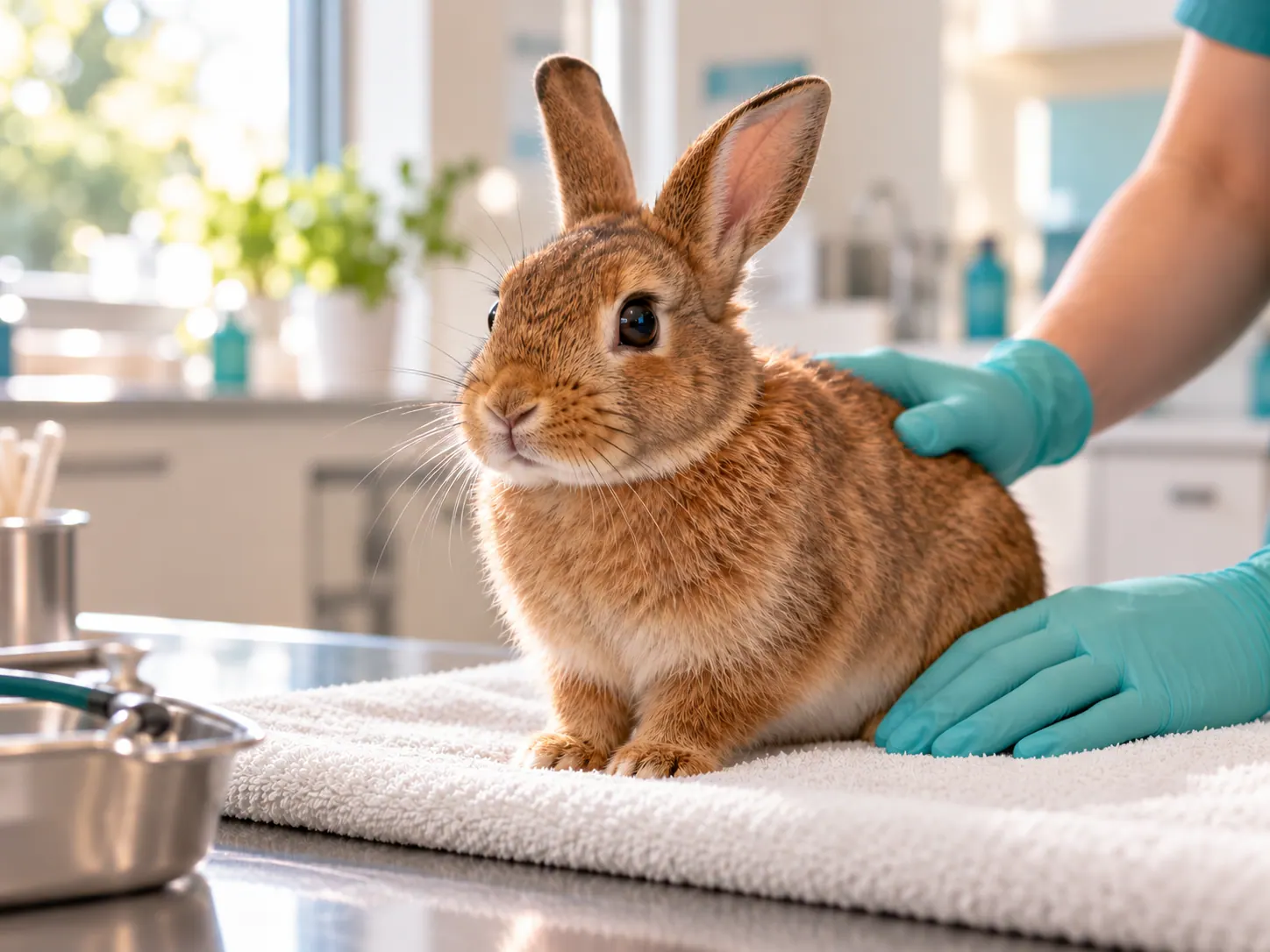
Start with the policy
Many pet insurance plans are written for dogs and cats. Some insurers offer plans for other species, and those plans can have their own terms. The declarations page names the pet and the plan, which settles whether there is a policy to claim against. Confirm current rules with the insurer.
What an exotic claim needs
The documents are the same as for any claim: the itemized invoice, and the records the insurer asks for. A few details deserve a second look:
- The species and breed exactly as the policy lists them.
- Invoice lines that name the service plainly, so each one reads clearly to a reviewer.
- Exam notes that describe what was found and what was done.
- Earlier records, when the insurer reviews history on a first claim. What insurers need with a claim.
Species Faunium supports
| Species group | Code in the Faunium Code System |
|---|---|
| Dog | SPC.DOG |
| Cat | SPC.CAT |
| Horse and other equids | SPC.HORSE |
| Rabbit | SPC.RABBIT |
| Ferret | SPC.FERRET |
| Bird | SPC.BIRD |
| Reptile | SPC.REPTILE |
| Small mammal | SPC.SMALL_MAMMAL |
Every claim carries the species as a code in the Faunium Code System, along with the services and the diagnosis, so the claim reads the same way to every insurer.
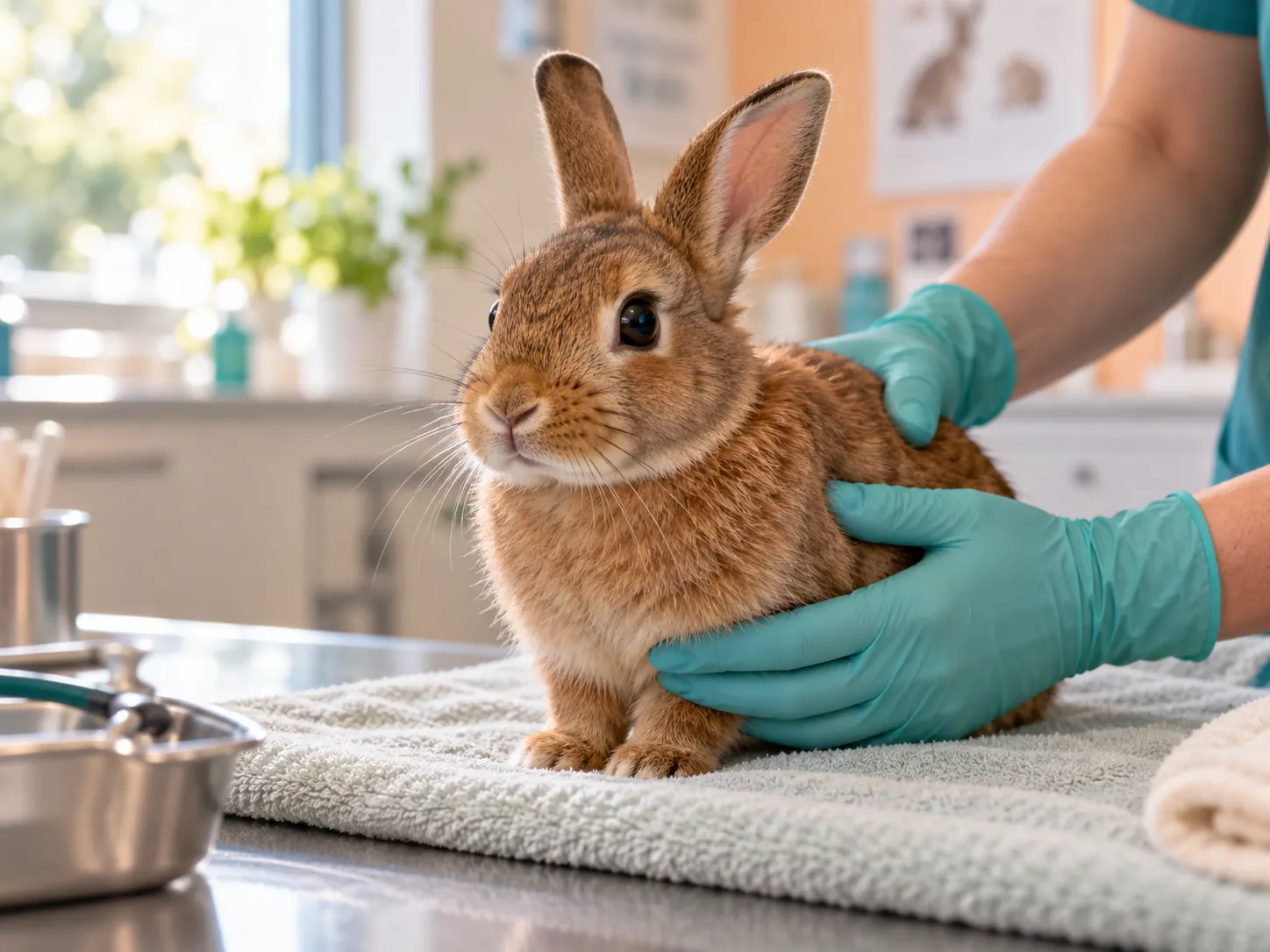
Filing an exotic claim, step by step
Check the policy names the pet
The declarations page shows the pet, the plan and the company that runs it.
Confirm the insurer and consent
The owner picks the insurer on their Faunium Pass and agrees to the claim for that pet.
Bring in the invoice and notes
Print the invoice to Print to Faunium, forward it, or let sync bring it in with the notes.
Check the draft
Faunium matches each line to a service. Confirm any line it flags, and your answer is remembered.
File
The claim goes the way that insurer accepts, or to the owner's phone when only the policyholder may submit.
Equine and mixed practices
Equine and mixed practices file the same way. Faunium works with general, equine, mixed, emergency and specialty practices, with any practice software. For practices.