Two forms of each diagnosis code
- Dotted
- FDX.GI.0028
- Wire
- FDX-010028
Some systems take only numbers, so every diagnosis also has a numeric wire form. Both name the same diagnosis: gastric dilatation-volvulus.
Faunium Code System
The Faunium Code System (FCS) gives every diagnosis, service, medication, species and breed one code. It is built for pet insurance, and every claim Faunium files is coded in it.
The problem it solves
One clinic types torn ACL and the next types CCL rupture. Each practice software keeps its own lists of services and drugs.
Each insurer has its own claim form, its own categories and its own rules for what counts as an accident.
Faunium codes each line once in FCS, then sends every insurer the claim in the format it accepts. Your practice codes nothing new.
One FCS code
FDX.MSK.0002
Cranial cruciate ligament disease
In a claim
Your team invoices and charts the way it does today. Faunium reads each line, codes it in FCS and builds the claim each insurer asks for from those codes.
Illustrative claim. Sample data. Insurer formats are examples.
What's in it
Each code names one thing for good. A code is never reused for a different meaning, so a claim filed years ago still reads the same today.
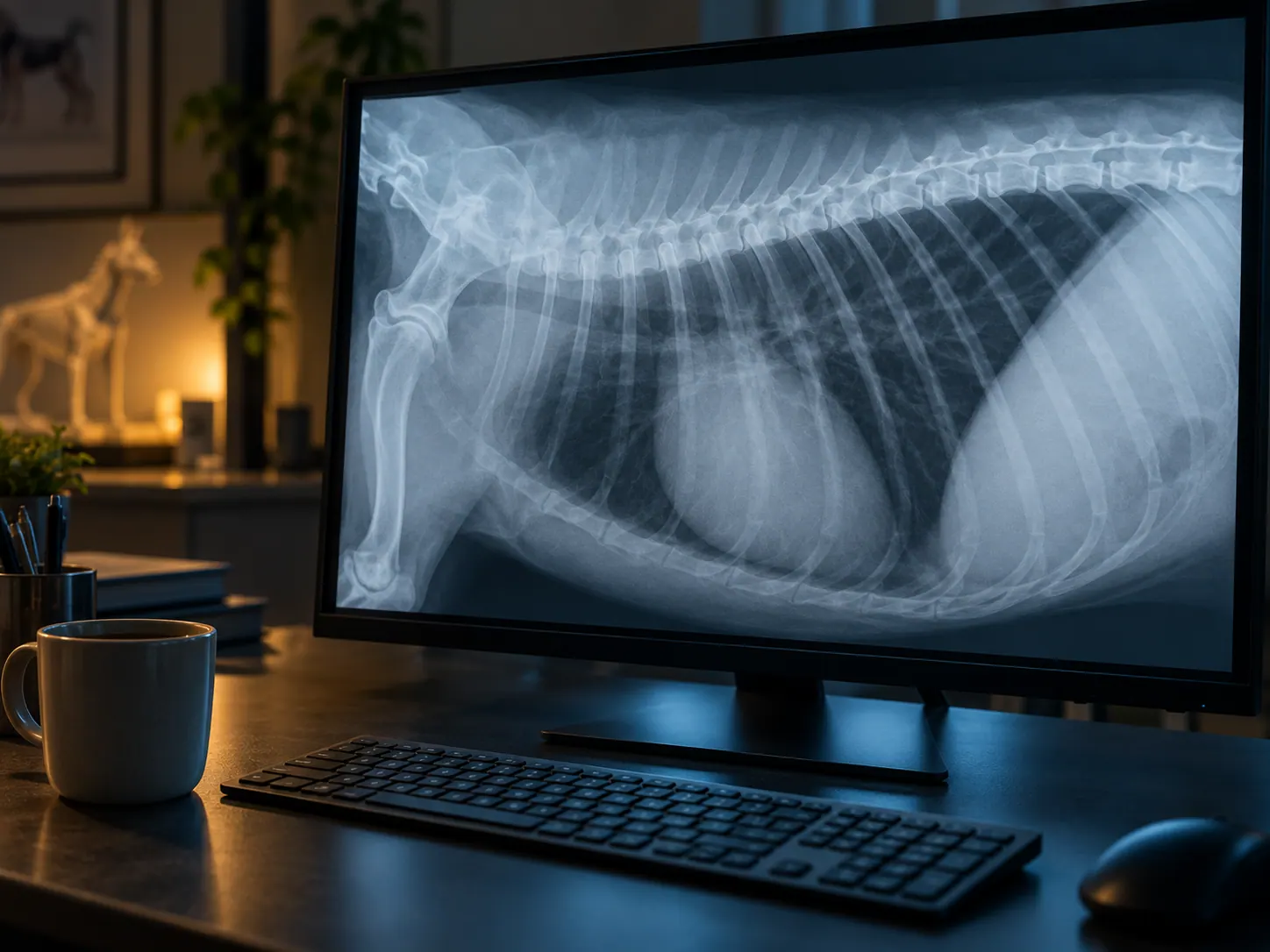
Diagnoses
1,702
in 20 chapters

Services
651
exams, imaging, lab work, surgery and more

Medications
758
by generic name, in FCS drug classes
Species and breeds
358
breeds and types, across 8 species groups
Some systems take only numbers, so every diagnosis also has a numeric wire form. Both name the same diagnosis: gastric dilatation-volvulus.
Toxicology, trauma, infectious disease, dental and behavior have chapters of their own, because they matter to how a claim is handled.
Built for insurance
Each diagnosis records how insurers usually treat it: accident or illness, chronic or not, orthopedic or not, which left and right conditions count as one, the reasons some plans exclude it, how much an earlier record matters, and which waiting period usually applies.
These attributes describe the condition. Each insurer still decides coverage under its own policy terms.
The claim already says what kind of condition it is, so the insurer has less to ask before it decides.
Every claim for the same condition uses the same code, so a pet's history reads the same from visit to visit.
Condition class, waiting-period type and pre-existing sensitivity arrive with the claim, so adjusters and rules start from the same facts.
Where a drug is FDA approved for animals, its FCS entry lists the application numbers from public U.S. government data (the NLM DailyMed index of FDA animal drug labeling).
For developers
Claims read through the Faunium API carry the FCS code for every invoice line and diagnosis, beside the practice's original wording. The field reference is in the Faunium Developer Portal, which opens to approved insurers and practice software companies.
Get started
Your team keeps its own wording, and Faunium codes each line in FCS before the claim goes to the insurer.